

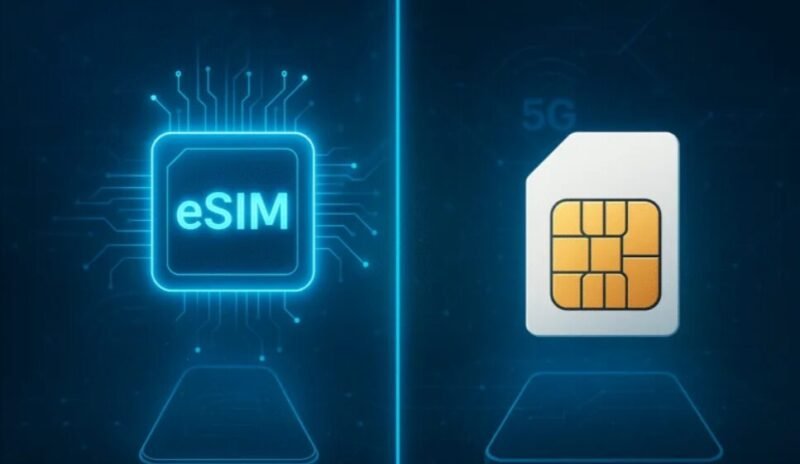
As smartphones evolve, so does the way we connect to mobile networks. The traditional SIM Card has been a constant for decades, but today, eSIM activation is becoming increasingly popular. A common question many users ask is whether switching from a physical SIM to an embedded SIM has any impact on network performance. Does call quality drop? Is mobile data slower? Or is the experience exactly the same? Let’s explore the facts and clear up any confusion around performance, reliability, and everyday usage.
How A SIM Card and eSIM Actually Work
To understand whether performance differs, it helps to know how both technologies function. A SIM Card is a removable chip inserted into your device that stores subscriber identity details and connects your phone to the operator’s network. It essentially tells the network who you are and what services you’re entitled to use.
With eSIM activation, the same subscriber information is downloaded digitally onto a built- in chip inside your device. Instead of inserting a physical card, users scan a QR code or follow a digital setup process to activate their plan.
Technically, both options perform the same core function, authenticating your device on the network. The underlying network infrastructure, spectrum bands, and coverage remain unchanged regardless of which format you use.
Does eSIM Activation Affect Network Speed or Signal Strength?
The short answer is no, eSIM activation does not affect signal strength, call clarity, or data speeds when compared to a traditional SIM Card.
Network performance depends on several key factors:
- Network coverage in your
- Available spectrum and
- Device compatibility with network
- Congestion during peak usage
Whether the subscriber credentials are stored on a physical SIM or an embedded SIM makes no difference to how your phone communicates with the network towers. Once activated, both are treated identically by the network’s backend systems.
If a user experiences slower speeds or weaker signals after switching formats, it is typically due to unrelated factors such as device settings, software updates, or local coverage conditions.
Advantages of eSIM Without Compromising Performance
While performance remains consistent, eSIM activation does bring certain practical advantages.
Firstly, it removes the need to handle a physical SIM Card, reducing the risk of damage or loss. It also allows users to store multiple profiles on a single device, which is particularly useful for travellers or professionals managing work and personal numbers.
Additionally, activation is faster and more convenient. There is no need to visit a store or wait for a SIM swap in many cases; everything can be completed digitally. This streamlined process does not compromise network quality in any way. Many leading telecom providers like Vi now support eSIM technology as part of their broader digital experience.
Device Compatibility and Network Optimisation
It’s important to note that performance consistency also depends on whether the device itself supports the network’s full capabilities. A high-end smartphone with 5G compatibility will perform better than an older 4G device, regardless of whether it uses a SIM Card or eSIM.
Modern networks are designed to authenticate and manage both formats seamlessly. The same encryption standards, authentication protocols, and traffic management systems apply. In other words, once connected, the network does not distinguish between physical and embedded subscriber identity modules in terms of service delivery.
Are There Any Situations Where Performance May Differ?
In practical terms, no measurable performance difference exists purely due to format. However, issues can arise during setup if the eSIM activation process is incomplete or incorrectly configured. Ensuring that the activation steps are followed carefully helps avoid temporary connectivity disruptions. Once successfully set up, the experience mirrors that of a physical SIM. Voice calls, SMS, and mobile data function with the same reliability and stability users expect.
Conclusion
Switching from a traditional SIM Card to an eSIM is more about convenience than performance. The process of eSIM activation does not reduce network speed, weaken signal strength, or impact call quality. Both technologies rely on identical network infrastructure and deliver the same service standards.
For users seeking a simpler, more flexible way to manage their mobile connection, eSIM offers modern benefits without sacrificing reliability. As networks continue to expand and optimise across India, customers can feel confident that choosing digital activation means convenience, not compromise.