

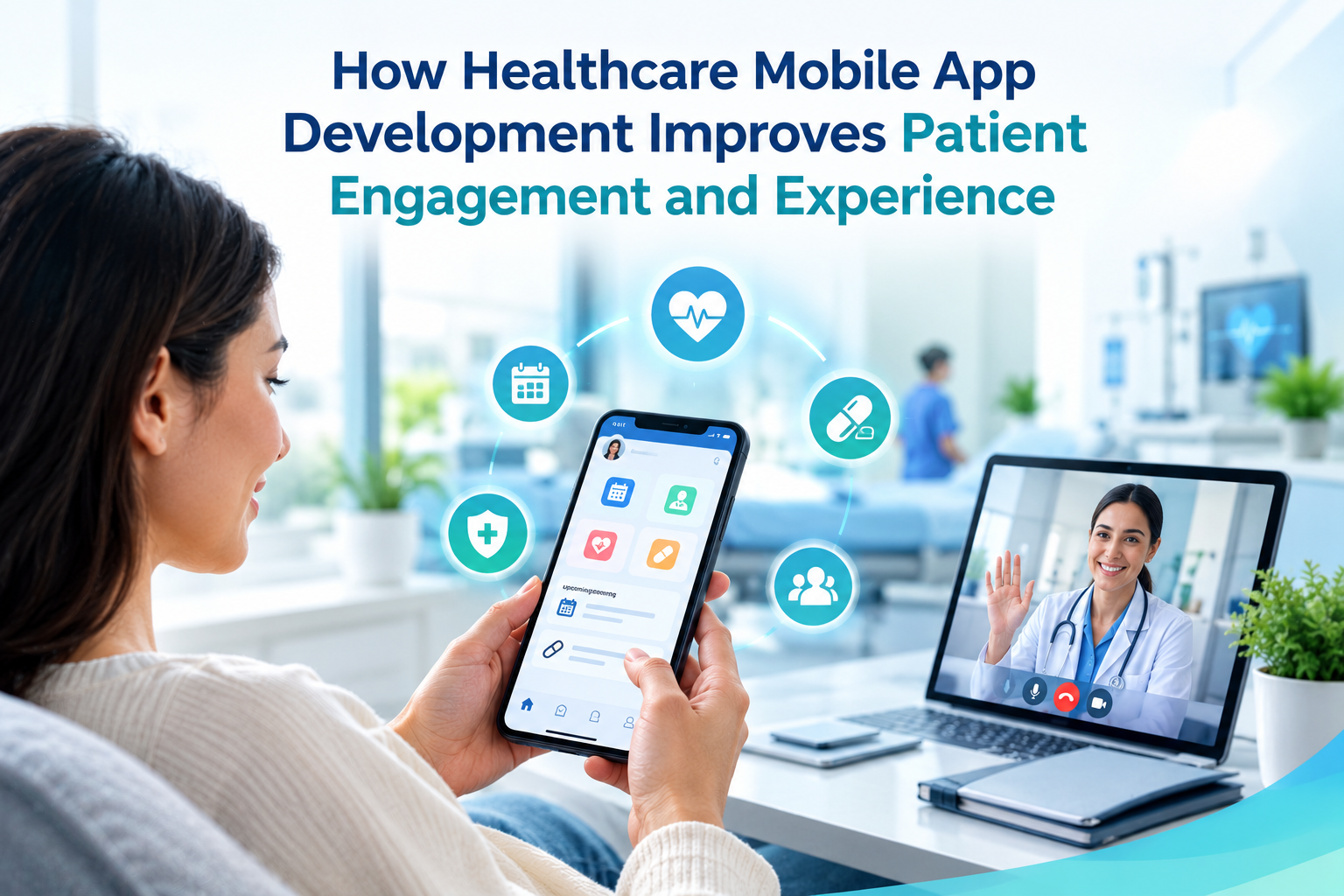
The healthcare industry is undergoing a major digital transformation as patients increasingly expect convenient, accessible, and personalized healthcare services. Mobile technology has become an important part of this transformation, helping healthcare providers connect with patients beyond traditional hospital and clinic environments. From booking appointments to accessing health information and communicating with healthcare professionals, mobile applications are changing how people interact with healthcare services.
Healthcare Mobile App Development provides businesses and healthcare organizations with the opportunity to create digital platforms that improve patient engagement while making healthcare experiences more convenient. A well-designed healthcare mobile application can bring multiple services together in one place, allowing patients to manage appointments, receive reminders, access medical information, and communicate with providers through their smartphones.
For healthcare businesses, patient engagement is not simply about providing an application. It is about creating useful digital experiences that encourage patients to stay informed, communicate effectively, and participate more actively in their healthcare journey. App Scoop helps businesses explore modern software and mobile app solutions designed around specific business and user requirements.
What is Healthcare Mobile App Development?
Healthcare Mobile App Development is the process of designing and developing mobile applications specifically for healthcare-related services and users. These applications can be created for hospitals, clinics, doctors, healthcare startups, pharmacies, wellness providers, and other organizations.
The primary objective is to use mobile technology to simplify healthcare processes and improve interactions between patients and service providers.
Common Healthcare Mobile App Solutions
Healthcare applications can support a wide range of functions, including:
- Online appointment booking
- Telemedicine consultations
- Patient profiles
- Health record access
- Medication reminders
- Prescription management
- Doctor communication
- Health and wellness tracking
- Notifications and follow-up reminders
- Digital payment integration
- Healthcare information and educational resources
The exact features depend on the organization’s objectives, target users, workflows, and applicable privacy and regulatory requirements.
Why Patient Engagement Matters in Modern Healthcare
Patient engagement refers to the ways patients participate in managing their healthcare and communicating with healthcare providers. Engaged patients are more likely to seek relevant information, attend scheduled appointments, communicate concerns, and stay connected with their care teams.
Traditional healthcare processes can sometimes make engagement difficult. Patients may have to make phone calls to schedule appointments, wait for information, or visit healthcare facilities for tasks that could be handled digitally.
Mobile applications can reduce some of these barriers by making commonly used services available through a single digital platform.
Making Healthcare More Accessible
A mobile application can allow patients to access selected healthcare services from home, at work, or while traveling. This convenience can be particularly useful for appointment management, routine communication, telemedicine, and accessing available health information.
Instead of depending entirely on office hours for basic administrative tasks, patients can interact with digital services at a time that is convenient for them.
Supporting Continuous Communication
Patient engagement often depends on effective communication. Healthcare applications can provide secure communication channels that allow patients to receive relevant updates and interact with authorized healthcare professionals.
Notifications can also help patients remember appointments, follow-up visits, or other healthcare-related activities.
How Healthcare Mobile App Development Improves Patient Engagement
A thoughtfully developed healthcare application can improve engagement in several practical ways.
1. Convenient Appointment Booking
Appointment scheduling is one of the most common interactions between patients and healthcare organizations. Traditional scheduling processes can involve phone calls, waiting periods, and manual coordination.
A mobile application can simplify this process by allowing patients to view available slots and request or book appointments directly.
Features That Improve Scheduling
A healthcare application may include:
- Doctor availability
- Appointment calendars
- Booking and cancellation options
- Rescheduling functionality
- Automated reminders
- Appointment history
- Follow-up scheduling
These features reduce unnecessary administrative interactions and give patients greater control over their schedules.
2. Personalized Patient Experiences
Patients have different healthcare needs, preferences, and communication requirements. A mobile application can provide a more personalized experience by presenting relevant information based on the user’s profile and permitted data.
For example, a patient may see upcoming appointments, medication reminders, educational resources, and follow-up notifications from one centralized dashboard.
Personalization should always be implemented responsibly. Healthcare businesses should collect only appropriate information, explain how data is used, and follow applicable privacy requirements.
3. Telemedicine and Virtual Consultations
Telemedicine has become an important digital healthcare service. Mobile applications can help patients connect with healthcare professionals through video consultations, audio calls, or secure messaging.
This can improve convenience for patients who may not need or be able to make an immediate physical visit.
Benefits of Mobile Telemedicine
A healthcare mobile application can support:
- Virtual appointment scheduling
- Video consultations
- Secure patient communication
- Digital document sharing
- Consultation history
- Follow-up reminders
Telemedicine is not suitable for every medical situation. Applications should provide appropriate guidance when physical examination or emergency care is necessary.
4. Easy Access to Health Information
Patients often need access to their healthcare information after visiting a doctor or healthcare facility. Depending on the systems involved, mobile applications can provide access to selected records, prescriptions, laboratory results, and appointment details.
Having relevant information available through a mobile device can help patients stay organized and better understand their healthcare journey.
5. Medication and Appointment Reminders
Forgetting appointments or medication schedules can create challenges for patients. Mobile applications can provide automated reminders to support better organization.
A reminder system may notify users about upcoming appointments, prescription schedules, or follow-up activities.
These reminders should support instructions provided by healthcare professionals rather than replace professional medical advice.
6. Better Patient-Provider Communication
Communication is an important part of patient experience. Patients may have questions before or after appointments, while healthcare providers may need to share updates or instructions.
A healthcare application can provide secure communication features that make selected interactions more convenient.
Secure Communication Features
Depending on the application, communication may include:
- Secure messaging
- Appointment notifications
- Digital instructions
- Follow-up communication
- Document sharing
- Service-related alerts
Healthcare organizations should ensure that sensitive information is protected through appropriate security controls and access permissions.
How Mobile Apps Improve the Overall Patient Experience
Patient experience includes every interaction a person has with a healthcare organization. This includes appointment scheduling, registration, communication, consultations, payments, follow-ups, and access to information.
Healthcare Mobile App Development can connect these interactions into a more organized digital journey.
Reducing Waiting and Administrative Friction
Patients often become frustrated when they have to repeat information or wait for simple administrative services. Digital workflows can reduce unnecessary steps.
For example, patients may complete certain registration forms before arriving at a facility or receive appointment confirmations directly through the application.
This can help healthcare providers organize their workflows while giving patients a more convenient experience.
Providing Real-Time Notifications
Timely communication can make healthcare services easier to manage. Mobile notifications can inform patients about appointment changes, reminders, available documents, or other relevant updates.
Notifications should be carefully designed to avoid unnecessary messages and protect sensitive information.
Supporting Accessibility
A healthcare application should be usable by people with different abilities and levels of digital experience. Simple navigation, readable typography, accessible controls, and clear instructions can improve usability.
Accessibility should be considered throughout the design and development process rather than treated as an optional feature.
Important Features for a Patient-Centric Healthcare App
Creating a successful healthcare application requires more than adding a long list of features. The application should focus on the needs of its target users.
User-Friendly Dashboard
The dashboard should provide quick access to the most important functions, such as appointments, messages, health information, and reminders.
A cluttered interface can make it difficult for users to find essential services. A simple and organized layout can improve overall usability.
Secure Authentication
Healthcare applications handle sensitive information, so secure authentication is essential. Depending on the application, businesses may implement passwords, multi-factor authentication, biometric authentication, or other suitable methods.
Health Record Access
Where appropriate and properly integrated, patients can use mobile applications to access selected health records and medical documents.
Access should be controlled according to user roles and applicable privacy requirements.
Push Notifications
Notifications can help patients stay informed about appointments, reminders, and service updates. Organizations should ensure that notification content does not unnecessarily expose sensitive health information.
Search and Navigation
Patients should be able to find doctors, services, appointments, and relevant information without unnecessary steps.
An effective search and navigation system can significantly improve the overall user experience.
The Role of AI in Patient Engagement
Artificial intelligence is creating new opportunities for healthcare applications. When used responsibly, AI can support administrative workflows and improve how users interact with digital healthcare services.
AI-Powered Virtual Assistants
AI assistants can help answer general service-related questions, guide users through application features, and assist with appointment-related tasks.
They can reduce repetitive administrative queries and make applications easier to navigate.
Intelligent Personalization
AI can help organize relevant content based on permitted user information and preferences. For example, an application may prioritize upcoming appointments or provide educational resources relevant to a user’s selected interests.
Any AI-based personalization involving health information should be carefully designed around privacy, transparency, and applicable regulations.
Automated Administrative Processes
AI and intelligent automation can help healthcare organizations process documents, categorize requests, summarize appropriate information, and manage repetitive workflows.
These capabilities can allow staff to focus more time on tasks requiring human judgment and interaction.
AI should not be positioned as a replacement for qualified medical professionals, particularly for diagnosis or high-risk clinical decision-making.
Security and Privacy in Healthcare Mobile Applications
Patient engagement depends heavily on trust. Users are unlikely to continue using a healthcare application if they are concerned about how their personal information is handled.
Healthcare Mobile App Development should therefore include security and privacy considerations from the beginning.
Protecting Sensitive Information
Developers can implement security measures such as encryption, secure APIs, authentication controls, authorization mechanisms, audit logging, and regular security testing.
Organizations should also establish policies for data retention, access management, incident response, and secure information disposal.
Following Applicable Regulations
Healthcare organizations may be subject to different privacy and healthcare regulations depending on their location, business model, and type of information processed.
For example, organizations operating in different markets may need to consider requirements associated with frameworks such as HIPAA, GDPR, or India’s applicable data protection and healthcare regulations.
Compliance requirements should be evaluated with appropriate legal and privacy professionals because they vary based on the specific circumstances of a project.
How App Scoop Can Support Healthcare App Development
Choosing the right technology partner is an important step for businesses planning a healthcare application. The development team needs to understand both technical requirements and the practical needs of healthcare users.
App Scoop provides software development capabilities covering mobile app development, web app development, AI automation, API integration, and intelligent data processing.
Building Solutions Around Business Goals
Every healthcare organization has different objectives. A clinic may need a simple appointment and communication platform, while a healthcare startup may require telemedicine, digital records, payment integration, and intelligent automation.
App Scoop can help businesses plan customized digital solutions around their specific requirements.
Supporting Scalable Digital Platforms
Healthcare applications may need to support growing numbers of users and additional services over time. Scalable architecture, reliable APIs, cloud infrastructure, and modular development practices can help organizations prepare for future expansion.
A development strategy should also include testing, maintenance, performance monitoring, security updates, and ongoing improvements.
Challenges to Consider During Healthcare App Development
Healthcare mobile applications offer significant opportunities, but organizations must also address several challenges.
Data Security
Sensitive information requires strong security controls. Developers need to consider authentication, encryption, access permissions, secure APIs, and monitoring throughout the application lifecycle.
Integration With Existing Systems
Healthcare providers may already use hospital management systems, electronic health records, laboratory platforms, or payment systems. Connecting these systems can require careful planning and compatibility testing.
User Adoption
Even a technically advanced application can fail if users find it confusing. User research, usability testing, simple onboarding, and continuous feedback can help improve adoption.
Performance and Reliability
Healthcare applications need dependable performance. Slow loading times, failed notifications, or service interruptions can negatively affect the user experience.
Organizations should conduct performance testing and establish appropriate monitoring and recovery procedures.
Future of Patient Engagement Through Mobile Technology
The role of mobile applications in healthcare is expected to continue expanding as connected devices, cloud platforms, artificial intelligence, and digital health services develop.
Wearable Device Integration
Healthcare applications can connect with supported wearable devices to collect information such as activity levels, heart rate, sleep patterns, and other available measurements.
When used for healthcare purposes, organizations should carefully evaluate the accuracy and limitations of device-generated data.
Remote Patient Monitoring
Mobile applications can support remote monitoring programs by connecting patients with healthcare teams and transmitting selected health measurements.
Such solutions require appropriate clinical workflows and monitoring procedures to ensure that collected information is interpreted responsibly.
Greater Healthcare Interoperability
Healthcare providers are increasingly looking for ways to connect different digital systems. Better interoperability can reduce information silos and make relevant information easier to access across authorized systems.
More Personalized Digital Experiences
Future healthcare applications may become more personalized while maintaining stronger privacy controls. Patients may receive more relevant reminders, educational resources, and service recommendations based on their needs and permitted information.
Conclusion
Healthcare Mobile App Development is changing the way healthcare organizations engage with patients. By combining appointment scheduling, telemedicine, secure communication, health information access, reminders, and personalized digital services, mobile applications can make healthcare interactions more convenient and user-friendly.
The greatest value of a healthcare application comes from solving real patient problems rather than simply adding technology. A successful application should be easy to use, secure, accessible, reliable, and designed around the needs of both patients and healthcare professionals.
For healthcare businesses, investing in the right mobile technology can create stronger patient relationships and improve the overall digital experience. With capabilities in mobile app development, AI automation, API integration, and intelligent data processing, App Scoop can help businesses explore customized digital solutions that support their long-term healthcare technology goals.